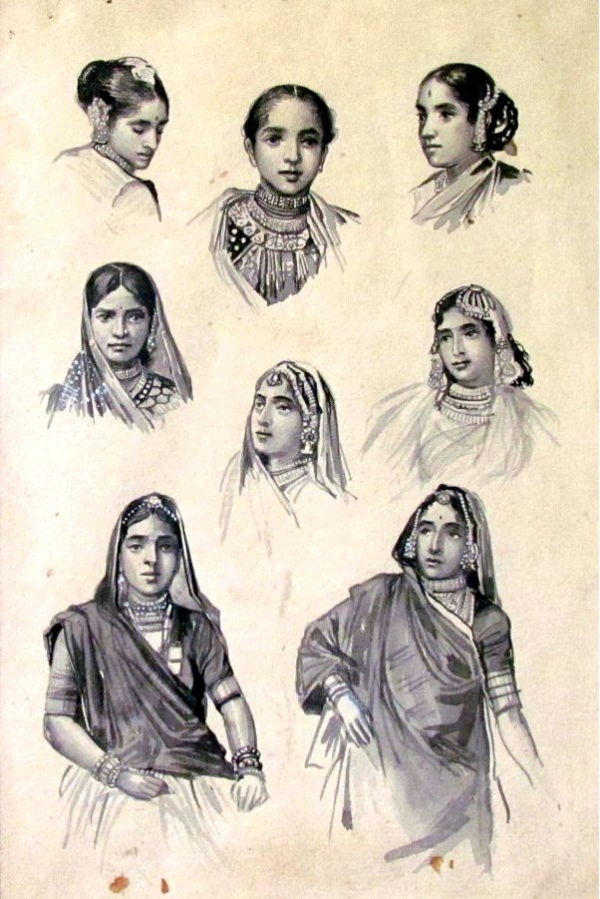
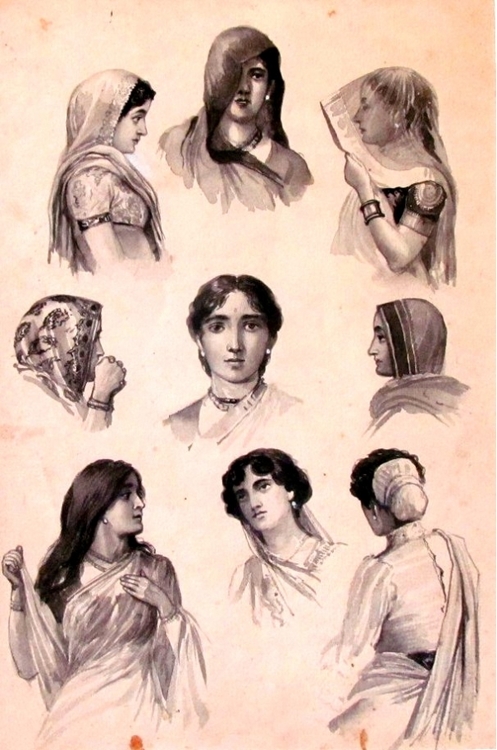
-
Taaza
Megh
19th century 20th century 1930s 1940s 1950s 1960s Actor Ancient India Art Cinema Colonial Costume Culture Early 20th Century fashion India Indian Cinema Indian Dress Indian fashion Indian men Indian Women Paintings Sari Sari Blouse Vintage Vintage Blouse Vintage Dress vintage fashion vintage sari WomenVishay
Lokpriya
Orange is the New Black – 2
Posted in 1920s, Art, Asia, Early 19th century, fashion, Indian Dress, Indian fashion, Indian Women, Paintings, Sari, Sari Blouse, vintage art, Vintage Blouse, vintage fashion, vintage sari
Tagged 1920s, bombay painters, Indian Art, Indian Painters, MV Dhurandhar, orange sari, sari, sari blouse, vintage, Vintage Fashion
1 Comment
Orange is the New Black-1
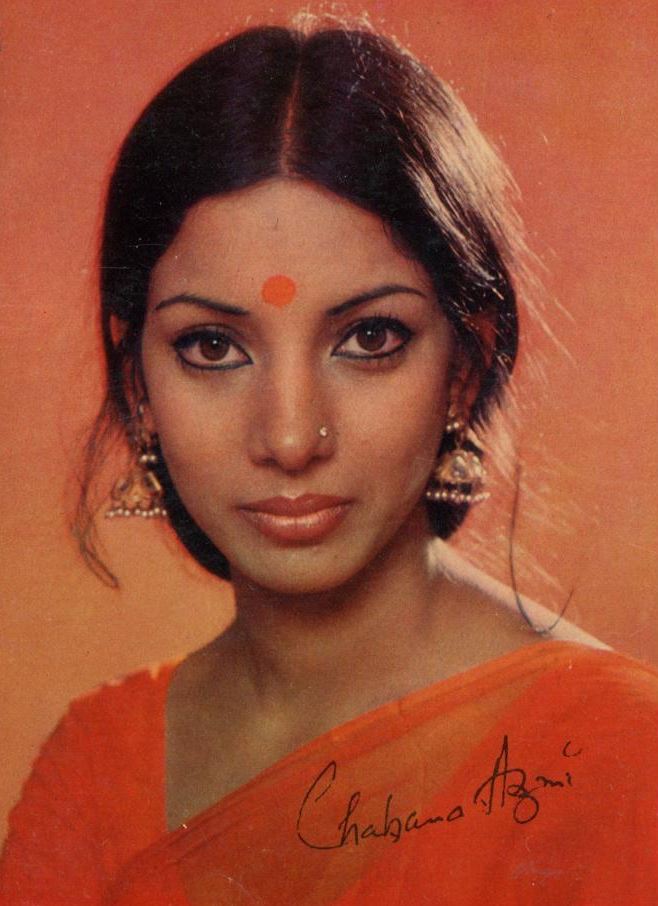 Shabana Azmi (X)
Posted in 1970s, Actor, Cinema, fashion, Indian Cinema, Indian Dress, Indian fashion, Indian Women, Sari, Sari Blouse, vintage fashion
Tagged 1970s, cinema, fashion, Indian Actress, orange sari, sari, sari blouse, Shabana Azmi, vintage, vintage cinema
1 Comment
Women of India
Posted in 1920s, Art, Costume, Culture, Early 20th Century, fashion, Indian Dress, Indian fashion, Indian Women, Paintings, Sari, Sari Blouse, vintage art, Vintage Blouse, vintage fashion, Women
Tagged 1920s, india, indian paintings, Indian Women, Maharashtra, MV Dhurandhar, women
Leave a comment
The Salwar Post-North & South
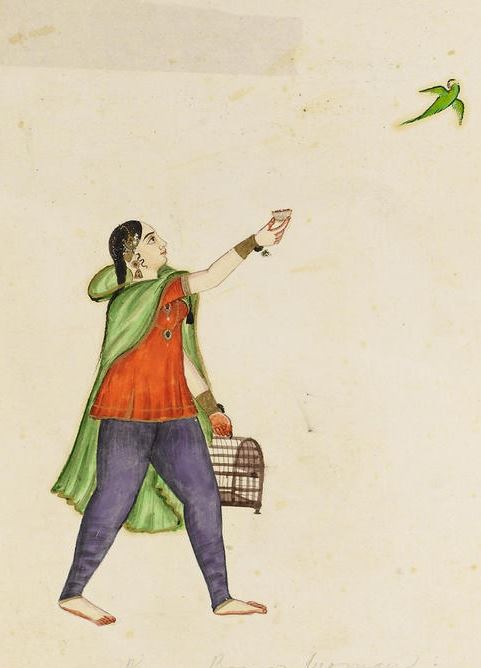
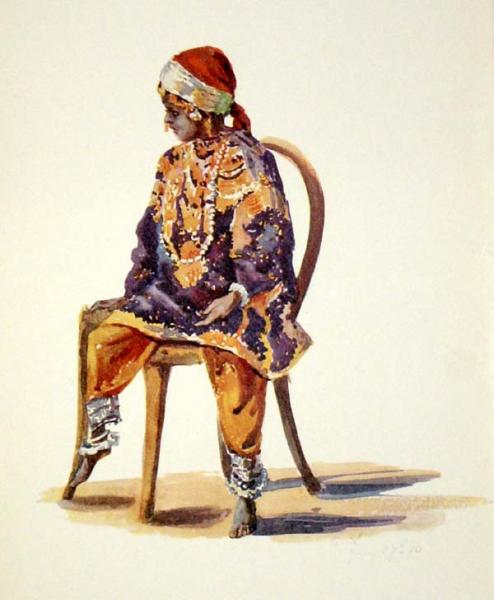
Posted in 1840s, 1910s, 19th century, Art, Birds, churidar kameez, Early 19th century, Early 20th Century, eez, fashion, Girls, historical costume, Indian Dress, Indian fashion, Islamic Dress, Paintings, salwar, Salwar Kameez, upatta, vintage fashion, Women
Tagged 1840s, 1910s, dupatta, indian painting, kameez, Lady lawley, Muslim Girl, North India, painting, punjab, salwar, South India
Leave a comment
À La Mode in Lahore – Khazanchi (1941)
Khazanchi (Cashier) is a 1941 movie which is significant for several reasons (for the full movie X). First, it was amongst a clutch of popular movies made in Lahore that brought in new modes of movie making, until then the Maharashtrian and Bengali ethos had dominated Hindi cinema. Its principal contribution was to music, the Punjabi themes and beats that pervade present day Hindi movies owe a small debt to the popularity of Khazanchi. It also popularised the salwar-kameez and dupatta ensemble amongst Indian women. Plus it’s introductory song of bicycling women was trend setting both in its portrayal of carefree young women and the “meet cute by bicycle collision” of Hindi cinema.
I won’t go into the plot here and will restrict myself to the costumes of the female lead, Ramola Devi (aka Rachel Cohen – based on this movie a charming and subtle actress), Manorama who plays the teenage sister of the male lead (SD Narang), Ramola’s stepmother and a Mumbai seductress who plays a key part in the murder mystery plot of the movie.
But first the bicycle song. Almost all the girls, except Ramola, are in salwar-kameez. And there are a few “frocks” and skirts too (presumably Anglo-Indian girls, there are snatches of dialogue in English).


Ramola plays the daughter of a rich merchant, a girl with a good degree of freedom, albeit answerable to her father and stepmother. She is a collegian and travels unaccompanied, whether by bicycle or by bus. Through much of the movie she wears a sari. Her blouse is usually of the puff-sleeve kind with bow ties being added now and then. And of course there are the two plaits – perennial indicator of youth in Indian cinema.


 Often the blouses match the border of the sari. From what I can see of this, it is possible that the borders are separate and added on to the sari, especially where the fabric seems to be some kind of satin. Note also the brooch (which I have helpfully marked!). In the 30s and 40s the brooches appear at different positions, here they seem kind of meant to pin the sari to the lower end of the blouse. That is a lot of pictures – clearly I really liked Ramola:)
SD Narang, who is the male lead, is training to be a lawyer. The wardrobe department puts him in a lot of suits with an occasional foray into a sherwani.


Ramola does wear the salwar-kameez for one particular scene. Almost all the kameezes (tunic) in this movie have large floral prints with elaborate neck detail (the sleeves are also often detailed).


Manorama plays the teenaged sister of SD Narang’s character and the daughter of the eponymous khazanchi of the title. The family is therefore middle class. The actress appears in a salwar kameez throughout the movie. Like Ramola’s, the kameez is often full sleeved and has a floral print. The dupattas – possibly some kind of nylon or synthetic of the 40s – often have a bit of glitter on them. See also this still from a 1940 Lahore movie for a clearer picture.


 Ramola’s stepmother appears to be a younger trophy wife. Maybe I am reading too much into this but some of the older women in the movie, who appear to be in their late 20s/30s, wear a lot more elaborate costumes. This may partially be due to their wealth but it also harks back a bit to the styles of the previous decade. Or maybe it was just the wardrobe department recycling outfits 🙂 The saris are almost uniformly synthetic fabrics or chiffons, at one point mention is made of saris being ordered from England.


The eponymous Khazanchi (the father of SD Narang and Manorama’s characters) makes a visit to Bombay where he meets an actress/conwoman. Her saree and blouse is 1940s provocative and again there are a few 1930s elements like the ruffle and the headband. Not to speak of the cigarette and gun, essential accessories for bad girls everywhere:)
And a second appearance of the saree brooch on this lady.


A glimpse of costumes for secondary male characters. The entire world of the movie is the modern city, first Lahore, then Mumbai. The action therefore moves between offices, courts, boarding houses and the houses of the protagonists. Dress is therefore western or more often the hybrid Indian-Western wear of the time which involved the addition of a jacket and the retention of specific headgear like a cap or Punjabi safa.


There are a few item numbers in the movie. One has an exceptionally saucy lady in a club (ruffle ruffle ruffle and a nice pair of legs is the key to 1940s seduction). There are also a couple of Indian nautch songs where a ghaghra is worn.
A screengrab of the end wedding scene. The head is covered by a pallu and a bindi worn only on specific occasions in the movie.
 And last but not the least, the 1940s undergarment:)
 The wardrobe of the two main protagonists of Khazanchi, Ramola and Manorama, reveals a simplicity of dress as opposed to the high glamour of the 1930s (these were also the war years and the fight for Indian independence was at its peak). Khazanchi’s success was possibly what made the new kind of salwar kameez, intended for modern young women at work and play, something that would eventually have pan-Indian appeal. It seems to me that, like with the sari, dress reform was at work here. The modifications to the outfit which incorporated new fabrics and were influenced by Western styles changed the dress so that it was no longer intended merely for a) the cloistered life of North Indian women and b) its use as rural working garment in Punjab. Pity that the details are so hazy and it is not better documented.
Posted in 1940s, Asia, Cinema, Culture, cycling, Dress Reform, Early 20th Century, fashion, India, Indian Cinema, Indian Dress, Indian fashion, Islamic Dress, Movies, Pakistan, Salwar Kameez, Vintage Dress, vintage fashion
Tagged 1940s, 1941, Hindi cinema, indian cinema, Indian fashion, khazanchi, Lahore, manorama, ramola devi, sd narang
6 Comments
The 1960s churidar kameez

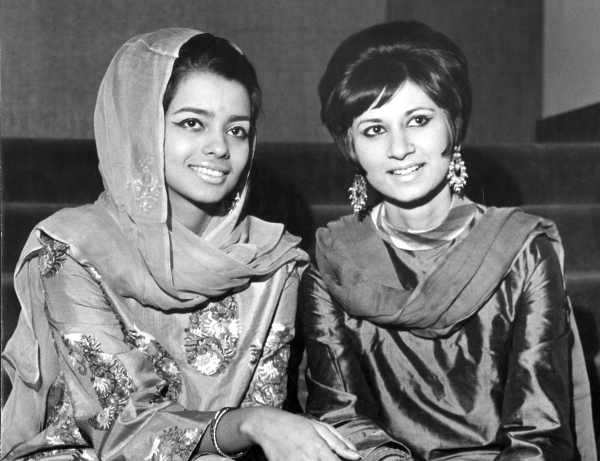
In the 60s, churidars and short tunics [X]. This is likely silk.
And a close up of the kameez. And you can see the footwear in the first pic.
The women: Persis Khambatta and Meher Mistry.
Posted in 1960s, churidar kameez, fashion, Indian Dress, Indian fashion, Indian Women, Islamic Dress, vintage fashion
Tagged 1910s, 1960s, 1960s style, churidar, churidar kameez, dupatta, kameez, kurta, Meher Mistry, Persis Khambatta, silk
Leave a comment
The Salwar as Uniform
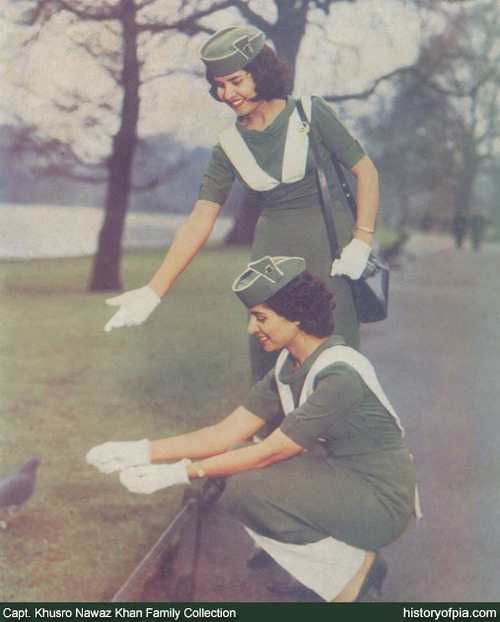
The salwar-kameez as uniform-PIA’s uniform for airhostesses in the 1960s. The changing uniforms with each decade are provided at the link.
Posted in 1960s, Islamic Dress, Pakistan, Salwar Kameez, Uniforms, Vintage Dress, Vintage Uniform
Tagged 1960s, air hostess, airlines, pakistan, PIA, salwar kameez, uniform
Leave a comment
The 1940s Salwar Kameez


The adaptation of the salwar kameez with modernity is perhaps less documented than the sari. In the 1920s and 1930s, the new kind of sari drape was the on trend garment. By the 1940s, the salwar-kameez (or on occasion the churidar-kameez) was in vogue, especially for young college going women. While maintaining the traditional silhouette and embellishments like zari, gota and sequins, it was also possible to incorporate new fabrics and prints as well as collars, laces, trims and the like. Especially for the kameez.
The most common ensemble in the 40s is as in pics 3 and 4, a kameez that ended above the knee, loose salwars and a dupatta. Pics 1 and 2 are of churidar ensembles which you see now and then in the decade.Pic 1: Amrita Shergil with her cousins
Pic 2: Still from a 1940s film
Pic 3: Drama group, Delhi, 1947
Pic 4: Still from Midnight’s Children.
The salwar/churidar/kameez post – 3


Unlike the chudidar where the cloth is constricted at the knee and the salwar which is constricted at the ankle, flared trousers were also worn with the kameez. The kameez initially was a tunic with skirt but later you can see shorter, simplified versions. Given the pictures here, the fashion appears to date back to the early 19th century (strictly more Lucknowi than Mughal). The sharara is also an example of this, though it may sometimes be constricted at the knee and then flare.
The paintings are all of nautch girls so it’s a little difficult to say whether the same fashion was followed by other women. However at least one of the links is to the costume of the Queen of Oudh so it seems like it was the prevailing style.
For comparison two films set in 1857. Shatranj Ke Khilari uses an accurate costume but Mangal Pandey uses a later mujra costume common in Hindi cinema.
The salwar/chudidar/kameez post-2


Though the Mughal-e-Azam characters have become a part of Indian cinema folklore, the film was anything but historically accurate in the matter of textual details, costumes, sets and music. For instance, thumri, a 19th century musical form, is used along with kathak costumes in a court supposedly in late 16th century India. Even the Sheesh Mahal (the royal bath of the actual queen) is enlarged into the dancing hall of the Mughal emperor, Akbar. Anarkali could have been one of the numerous dancing girls of the Mughal harem; whether the Mughal prince Salim fought his father over his beloved is not documented in history. [X]
Mughal governance, customs and norms is perhaps one of the more extensively documented periods in Indian history [X, X, X, X]. A number of books refer to clothing with reference to paintings e.g. this encyclopaedia. The Mughals brought with them existing central Asian styles but the full flowering of the style included a number of local elements (by the 1700s some of this was making it’s way back to West Asia).
Ritu Singh’s book and various articles also provide a quick reckoner and a glossary of terms [X, X, X].
As always the cinema has played a role. Mughal historical romances have always been popular right up to Jodha Akbar but the big daddy of them all remains Mughal-e-Azam. The influence is not restricted to clothing but also includes interiors and sets. While not entirely authentic, they remain reference points for modern fashions that trade on Mughal style. Now where’s my Nigar cap🙂
Posted in 1950s, 19th century, churidar kameez, Costume, Courtesan, Culture, historical costume, Indian Dress, Indian fashion, Indian History, Indian men, Indian Women, Islamic Dress, Mughal, Women
Tagged churidar, dupatta, kameez, Mughal, mughal fashion, mughal style, mughal-e-azam
1 Comment
 Vintage Indian Clothing