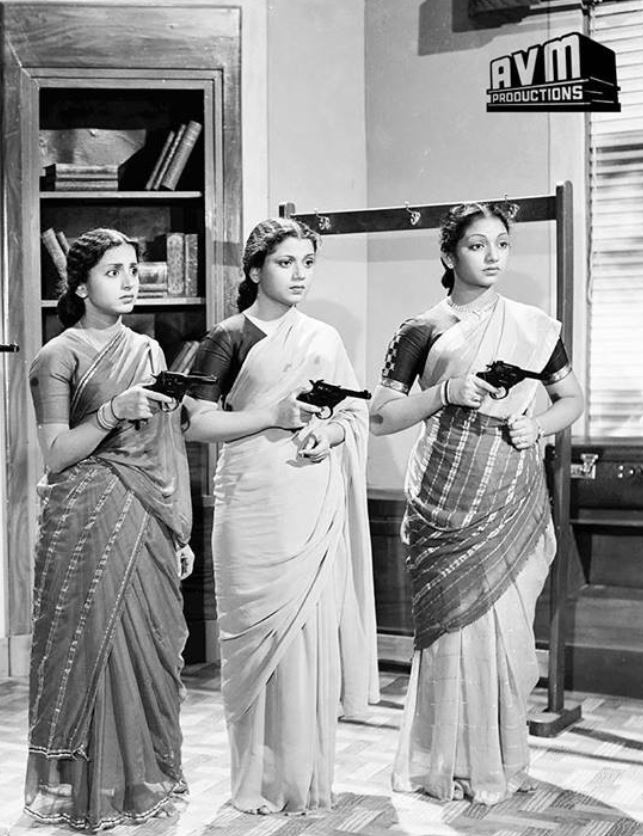
Bang, bang, bang, Its the 1950s!

zavmWordPress has been frustrating – I can’t seem to access it more often than not. Apologies for being away so long.

On tumblr as always you can follow sari history and the decade which kind of defined Indian style for most if us today, the 1950s. Added bonus, the loveliest and most talented of heroines worked in this decade!

Photo credit: AVM.

Posted in 1950s, Actor, Cinema, Culture, fashion, Indian Cinema, Indian Dress, Indian fashion, Indian Women, Movies, Sari, Sari Blouse, South Indian Cinema, Tamil Cinema, Vintage, Vintage Blouse, vintage fashion, vintage sari | Tagged , , , , , , , , , | 4 Comments

The 1930s post

30sThe Sari: 1931-1940

Almost every decade has a signature sari. In the 1920s it was the chiffon with a zari border (pics 1 and 2 are from 1924 and 1931). The borders were generally small and stitched onto French chiffons. In the case of lighter Indian handlooms like Chanderis the zari was woven into the sari. Towards the middle of the 30s and later and carrying on to the next decade, the borders are often heavier and of brocade while the sari remains a light chiffon (or any other light material).

E.g.s: Pic 3: Maharani Kanchan Prabha Devi [X], Pic 4: Maharani Gulab Kunverba Sahiba, 1935, Pic 5: Menakaraje of Cooch Behar in the mid 30s, Pic 6: Rajmata Krishna Kumari in the mid 30s. While the women here have their pallu draped over the head (partly because this was common amongst Indian royals by this decade), this was less common by the end of the 1930s.

Sometimes a second band of brocade (or zari) was added to the pallu as in Pic 4.

For a circa 1940 example, see a previous post.

As always you can follow the sari history and the 1930s posts on tumblr.


Posted in 1930s, British Raj, Colonial, Culture, Early 20th Century, fashion, Indian Dress, Indian fashion, Indian History, Indian Women, Royalty, Sari, Sari Blouse, Sets, Studio Portraits, Tumblr, Vintage Blouse, Vintage Dress, vintage fashion, vintage sari, Women | Tagged , , , , , , , , | 3 Comments

Kanan Devi

kdMy tumblr avatar is usually that of the actress Kanan Devi, a star of the 1930s and 1940s.

Though the silents had a number of famous actresses, it is with the talkies and the 1930s that you find stars and fans, albeit nowhere near as  pervasive as Hollywood (as to why and a discussion on the making of an “Indian” stardom see Wanted Cultured Ladies Only! Female Stardom and Cinema in India, 1930s-1950s, Neepa Majumdar).

While the silents had a number of Anglo Indian and Jewish actresses, in the 1930s there was a bit of a shift. One because of language since the talkies took over. To a lesser extent there was the nationalist movement and an increasing emphasis on “Indianised” cinema. Still, Sulochana aka Ruby Myers remained one of the biggest stars of the 1930s. On the other hand, “respectable” women joined the films. The most well known of these were Devika Rani and Durga Khote. Lastly, the films were a natural choice for women who were in the business of entertainment aka nautch girls and performers. With changes in the way their profession was perceived and the loss of patronage, an actress like Nargis for e.g. was groomed for the films by her mother (Jaddanbai).  Regardless of background, collectively the women were probably the first fashion icons in India.  Devika Rani’s sleeveless blouses and plucked eyebrows, Miss Gohar’s sunglasses in Miss 1933 and Kanan’s braided updo in Mukti, all suggest the birth of “filmy” fashions in this decade. Though the silents of the 1920s had already set the trend, this is also very much a decade of movies that suggest a cosmopolitan, fashion conscious woman with titles like “Madam Fashion” and “Fashionable Wife”.

Given all this it is possible to write a lot about the 1930s and I will touch on the fashions of the decade in subsequent posts. But for the moment, at the risk of a long post, I wanted to write about Kanan.

Kanan Devi’s background was a far cry from that of a top star like Devika Rani. By all accounts her early years were filled with dire poverty and she started singing at an early age. The transition from Kananbala to Kanan Devi (the Devi being a title of respect) must have been a difficult one. That change probably started with one of her early hits, Manmoyee Girls School (some one needs to do a piece on this as it is the basis for so many plots of pretend marriage in Indian cinema). Kanan was perhaps one of the first superstars of Bengali cinema, an actress equally at home playing upper class women  or historical characters.  Like many stars of the decade, Kanan Devi was also a singer. Singing both in Hindi and Bengali, many of her songs were all the rage in the 1930s and 1940s. Like with many women who came into  films either due to poverty or on the basis of traditional occupations (like the Devadasis), a marriage brought Kanan Devi respectability though it did not last long. Once she stopped acting, she turned to film production. She died in 1992.

The reason for this long post is because while we are familiar with Hollywood icons of the 1930s, few of us are aware of Indian stars of the decade. Partly this is because stardom was in a nascent phase in India in the 1930s, there was no powerful star making system as in Hollywood. Partly this is because the archiving of materials is poor in India. Partly this is because the culture is slightly amnesiac about its past. Still as the links show, there is enough for us to get a sense of the female stars of this decade. And there are the devoted fans, Kanan has an entire site devoted to her professional and personal life which includes rare photographs.
Posted in 1930s, 1940s, Actor, Bengal, Cinema, Colonial, Culture, Early 20th Century, fashion, Indian Cinema, Indian Dress, Indian fashion, Indian Singers, Indian Women, Music, Sari, Sari Blouse, vintage fashion, vintage sari, Women | Tagged , , , , , , , , | 4 Comments

The evolution of the modern sari

It’s been difficult for me to update this blog along with tumblr as I am a little hard pressed for time.

The only significant thing that I need to update here are a series of posts I am doing on the evolution of India’s “national costume” aka the sari, blouse and petticoat from the 1870s onwards. I thought it might be useful to collate images from each decade and discuss them so that it gives some idea about the “look” of each decade.  On the one hand there is continuity, on the other hand there are specifics like kind of sari, style of wearing it, shoes, blouses or hairstyles where you can see recurring motifs in a decade.

This is by no means comprehensive given that there are so many a) regional differences b) caste differences c) class differences d) religious differences ) orthodox customs that dictate clothing etc. in India. However, each decade does have its own zeitgeist and in a way the posts do their best to capture this. By necessity this often means fashions worn by upper class women. Especially so in the early decades given that “on the street” fashion is only really visible in photographs from the 1920s onwards. Prior to this most photographs are of elite women, courtesans and “ethnographic studies”.  However, given that some of these upper class fashions became ubiquitous, it is useful to look at it.

You can follow it all on tumblr under the sari history tag. As always the oldest post is at the bottom.

PS: I spend many hours looking at stuff and its hard to find a cohesive story sometimes. To the best of my knowledge there is a good amount of material but no detailed discussion of the fashions in India in each decade so I have little to go by except my own thoughts. So with these posts, if you want to reproduce, please do credit!

Any hints or tips are always welcome!

Posted in 1870s, 1880s, 1890s, 1900s, 1910s, 1920s, 1930s, 1940s, 1950s, 1960s, 1970s, 1980s, 19th century, 20th century, Bengal, British Raj, Colonial, Early 20th Century, Flapper, Indian Dress, Indian fashion, Indian History, Indian Women, Sari, Sari Blouse, Vintage, Vintage Blouse, vintage fashion, vintage sari | Tagged , , , , , , | 1 Comment

The Spring Post

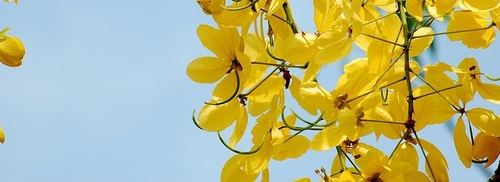
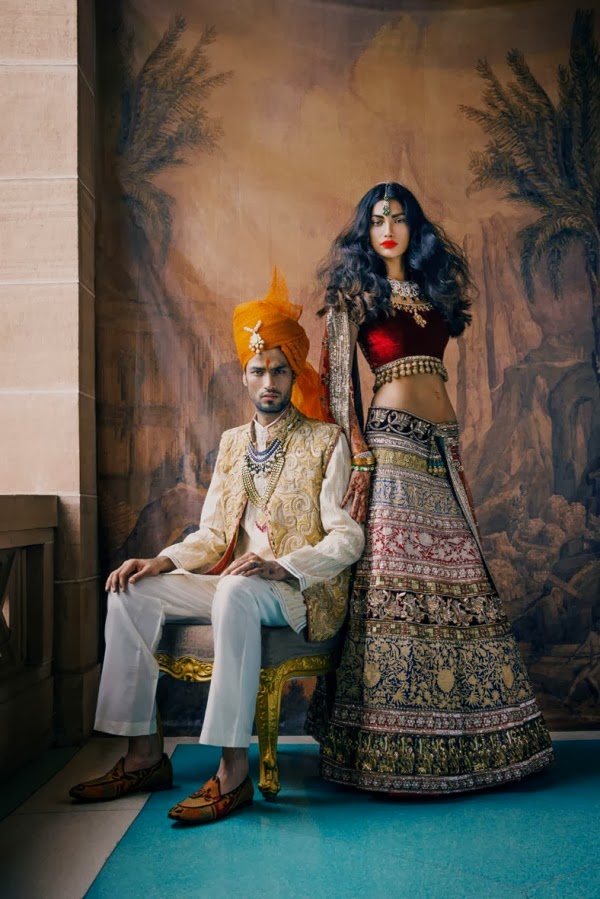
yellow1 (2)yellowyellow5पुष्पिताग्रांश्च पश्येमान्कर्णिकारान्समन्ततः। हाटकप्रतिसंचन्नान्नरान्पीताम्बरानिव॥

And look at these flower-tipped karnikāras everywhere – they look like men robed in yellow and laden with golden jewellery. [X]

Spring (Vasanta) in India is generally in the months of Phalguna and Chaitra (roughly March and April) though it officially begins in Magh (February). It is also time for the first leaves and flowers of the gulmohar, mango and amaltas. The last of these may well be the karnikara mentioned in Kalidasa’ Ritusamhara.

Pics courtesy: Bonhams, Vogue India. Insert pic of Amaltas.

Posted in Art, Contemporary, Culture, Flowers, Hinduism, History, Indian Dress, Indian men, Late 19th century, Literature, Paintings, Sanskrit Drama | Tagged , , , , , , , | 2 Comments

The Group Photo Post

This slideshow requires JavaScript.

Group photographs are great because they give an actual sense of what people wore back in the day.

The first pic for example is probably Madras in the 1930s. All the women are in the then modern six-yard sari.  The pallu at this point in Tamil Nadu was normally tucked in (a hangover from the older nine-yard sari?) or draped over the shoulder, leaving it loose in the current fashion was frowned upon by traditionalists.  On the men, the dhoti and angavastram (literally cloth for the body and more or less a shawl cum scarf) set has ancient roots, the shirt or kurta was added on in mughal/colonial times. The coat likewise was added on, like the modern blouse it served as an incorporation of a Western element. I think the male headgear here is from Maharashtra (the black conical version) – there is a reference in one of the texts I read to “black velvet Gandharwa caps” which were one of the first sartorial statements in Poona – and Mysore (the white turban). The coloured turban (second from left, seated row 2) is probably similar to those worn by Gujaratis in the west of India but I can’t say this for certain.

Pic 2 is probably from the 1940s and includes a few spunky ladies involved with the freedom movement. In the first seated row of women and in some of the men, you can see the Tamil attire discussed above. The second seated row of women are probably Gujarati given the style of wearing the sari. I think Kasturba Gandhi is also in the pic.

Pic 3 is a group photo of students of Kinnaird Collge for Women, Lahore. Probably taken late 1920s (McNair was appointed Principal in 1928) or early 30s. At this point the six yard sari was modish so its not surprising to see so many of the Lahori students wearing it. Two of the women are in salwar kameez.

Pic 4: Sgt. Carl W. Ritter does a roundup of the “Vassar of the Orient” (Lady Irwin College, Delhi) on 7 Feb 1946. More pics at the link.  The students seem to be from many states, including the South.  As for the attire, there is the modern sari, the salwar-kameez and also a girl in a sari worn Bengal style.

Posted in 1920s, 1930s, 1940s, churidar kameez, Colonial, Costume, Early 19th century, Education, fashion, Girls, History, Indian Dress, Indian fashion, Indian Women, Photography, Salwar Kameez, Sari, Sari Blouse, Sets, Tamil, Vintage Blouse, Vintage Dress, vintage sari | Tagged , , , , , , , , , , , | Leave a comment

In the West


w1 w2Indra Dugar‘s paintings of the 1940s-the colours and costumes suggest Rajasthan/Gujarat.

Posted in 1940s, Art, Costume, fashion, Indian Dress, Paintings, Rural, vintage art, vintage fashion | Tagged , , , , | 2 Comments

Notes

I haven’t updated this site in a long time meanwhile the tumblr keeps getting refreshed. Partly this is because I have just been doing simple posts and there is no grand theme: Newish movies; Recurring patterns in Hindi cinema [X, X] – the pompoms still amuse me!, the halter neck blouse and the closed neck modest blouse [X, X], the long shirt worn in Haryana, the Victorian/Edwardian blousesleeping women, the fishtail braid and the pallu.

I note that Mardi is back. I can’t comment on her blog but welcome back Mardi and loved all your pics of the Indian visit! It looks like an amazing trip.

Betsy, who I “met” through this blog, has a new book out-Love Potion No. 10. Exciting! If you like cozy mysteries do check out.

Deepa, I keep following your adventures and its always great when you drop by on this blog, though I might have been a bit amiss in not responding to comments.

Posted in 19th century, 20th century, 21st century, Actor, Colonial, Contemporary, Costume, Culture, Early 19th century, Early 20th Century, fashion, Hair, Indian Dress, Indian fashion, Indian Women, Personal, Sari, Sari Blouse, Sets, Vintage, Vintage Blouse, vintage fashion, vintage sari, Women | Tagged , , , , , , , , , , , , , , , | Leave a comment

Orange is the New Black – 2

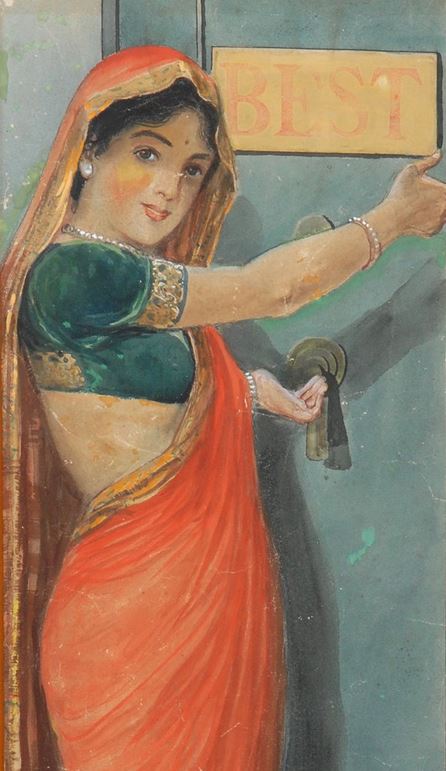
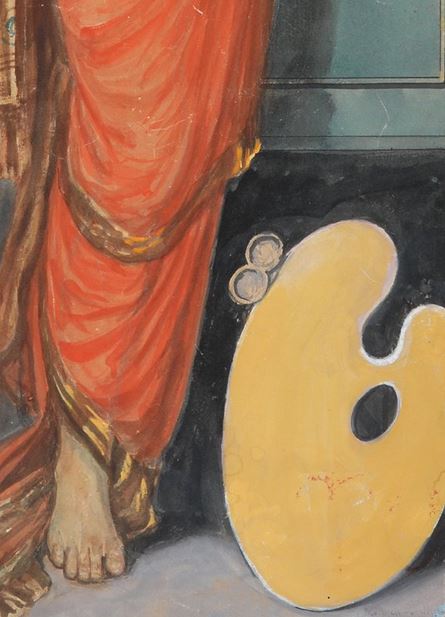
w1 w2Untitled, MV Dhurandhar, 1917

Posted in 1920s, Art, Asia, Early 19th century, fashion, Indian Dress, Indian fashion, Indian Women, Paintings, Sari, Sari Blouse, vintage art, Vintage Blouse, vintage fashion, vintage sari | Tagged , , , , , , , , , | 1 Comment

Orange is the New Black-1

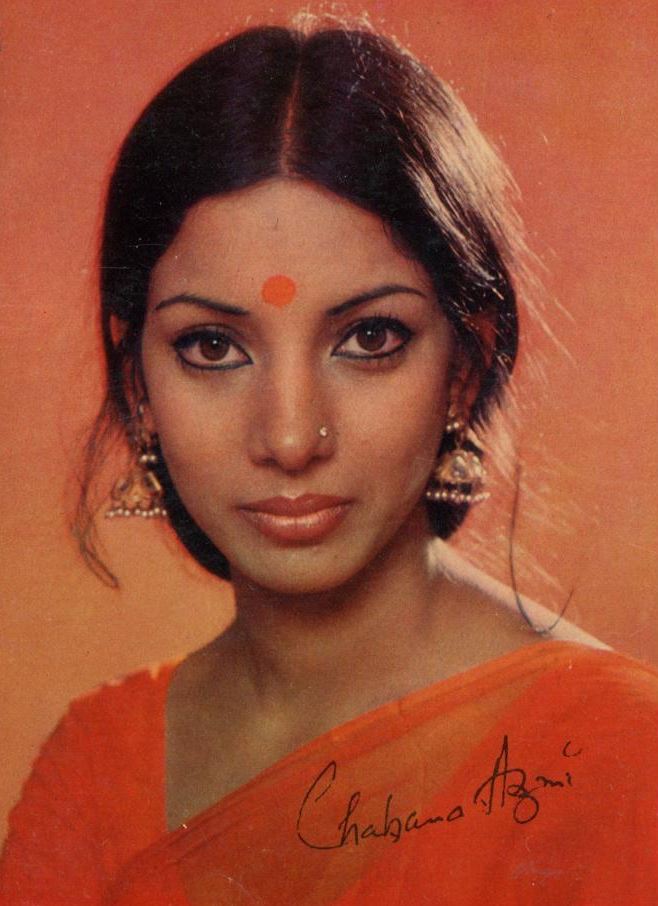
alphaopShabana Azmi (X)

Posted in 1970s, Actor, Cinema, fashion, Indian Cinema, Indian Dress, Indian fashion, Indian Women, Sari, Sari Blouse, vintage fashion | Tagged , , , , , , , , , | 1 Comment