Jnanadanandini Debi was deeply influenced by the newly-introduced Parsi gara, the kind worn by Lady Bachoobai Nowroji Vakil. By the latter part of the 19th century, Parsi garas or garos—saris with Chinese embroidery in white or variegated silk threads—were introduced in India. These were either originals or based on the all-over hand-embroidered garas brought back by Parsi traders from China in the 1850s. Either embroidered all over—the peony, cock, and butterfly being favourite motifs—or only with heavily worked borders that were attached, they soon became eponymous with a style that spread throughout India. Not long after its introduction, crafts-people in Surat started copying the gara as well as the fine borders and supplying rapidly expanding markets in the urban areas of Bombay and Bengal Presidencies, and in time, some parts of Madras Presidency as well as north India and the more Westernized among the princely states.
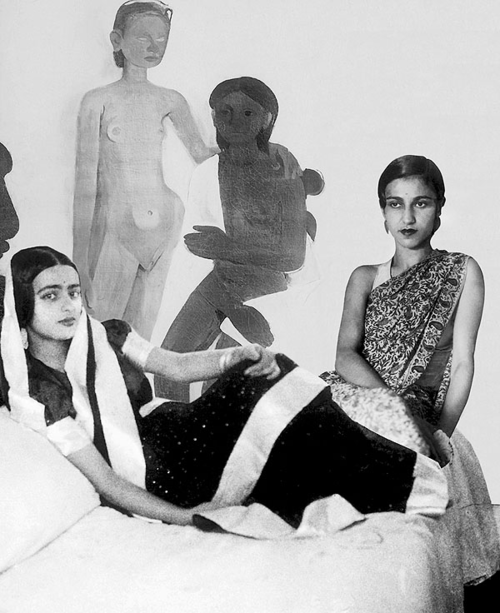
The style of wearing the sari with a blouse often modelled on the Western dress, with a fine muslin sudreh (undershirt), was soon adapted by those from families involved in the social reform movement in Bengal as well as by emancipated families in other parts of the country. The introduction of the sari blouse (jama) and petticoat (shaya) was essential before upper- and middle-class Bengali women could come out in public; in an article said to have been written by Jnanadanandini (using a pseudonym) in Bamabodhini Patrika, a women’s magazine popular in reformist circles, the author commented on a new mode of dress that took from English, Muslim, and Bengali traditions and yet retained a Bengali essence. For instance, the author wrote, she now wore shoes, stockings, bodice (angiya cachali in place of the sudreh), blouse, and a short skirt-like petticoat with a sari draped over it; when she went out she wore a chador (shawl) that could be used to cover her head if necessary. Blouses were elaborate, modelled on current styles prevalent in the West: thus high collars with ribbons, frills, jabots, and brooches were popular from the 1870s till the turn of the century and a few women also wore mutton-chop sleeves, peaked at the shoulder. Shawls draped elegantly over one shoulder, closed shoes, brooches, and hair ornaments completed the ritual of Westernized elite female dress (figure 3). Later, while those from the Brahmo Samaj referred to the new style of wearing the sari with blouse and chador as the “Thakurbarir sari” (sari worn in the style of the Tagores, a leading Brahmo family), as more and more Brahmos started wearing the sari in this manner, it came to be popularly known as the “Brahmika sari” throughout India.
From Malavika Karlekar’s comprehensive essay on the evolution of dress in Bengal (Reform and Sartorial Styles in 19th century Bengal). Eventually the Brahmika Saree gave way to the Madrasi/Nivi style akin to what we wear today.





 Vintage Indian Clothing