The Modern Girl Post

Image

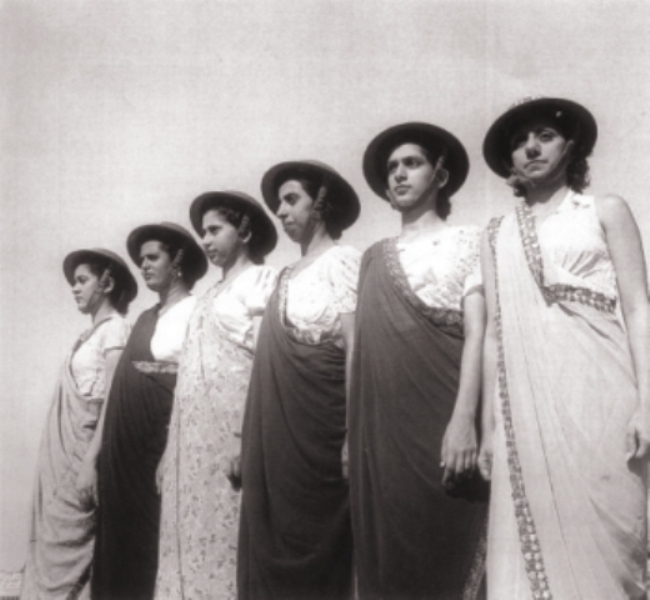
At the 1931 Congress meeting, Manmohini was a minor celebrity, beseeched by young women and men for her autograph and frequently snapped by Brownie cameras. When a young man offered to drive her and her friends to an airstrip where a small plane had landed, he soon had a car full of single women in their late teens and early 20s ready for an adventure. The young women donned helmets and prepared for a flight that never happened. However, the fact there was no flight is of little importance compared to what this photograph represents in terms of female autonomy in the early 1930s. Gandhi’s initiatives legitimated independent political action by young men and women that made possible new friendships and adventures. At the same time, these educated and self-assured young women gave the North Indian movement a youthful, self-confident and glamorous image.

A little intrigued by the attire of the girl without a helmet.  The blouse is rather long (probably true for all the girls). Her hair seems to be cut short too and the shoes look quite fashionable.

[X]

Posted in India, Sari, Sari Blouse, Vintage, Vintage Blouse | Tagged , , , , , , , | Leave a comment

The War Effort Post

Image

Image

Training for Air Raid Precautions, Bombay 1942.

All the sarees are worn Parsi style. Its kind of interesting that the blouse as a form of sedreh worn under the sari is relatively unchanged over two decades or so. As are the bordered sarees. And I think I spy a collar on one of the blouses (I love collars).

[X]

Posted in India, Sari Blouse, Vintage, Vintage Blouse | Tagged , , , , , , , , , | Leave a comment

The Book Extract Post

ImageImage

Posted in Authors, India, Literature, Sari Blouse, Vintage | Tagged , , , , , , | 2 Comments

The Period Drama Post

ImageImageImageImageImageImage

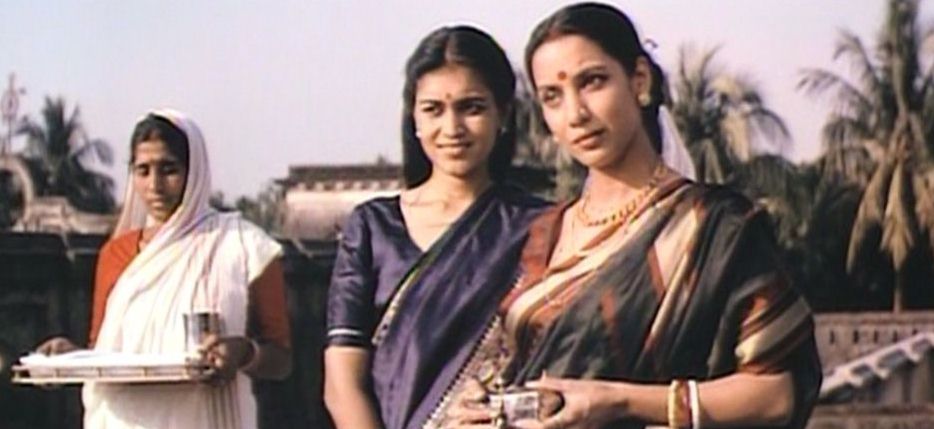
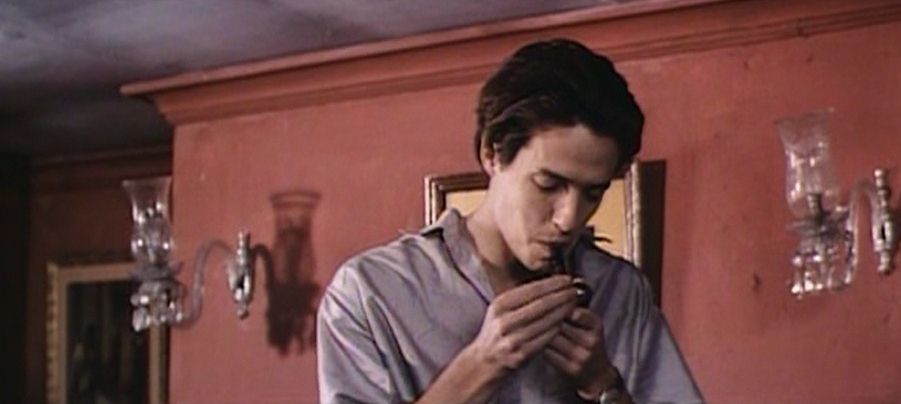
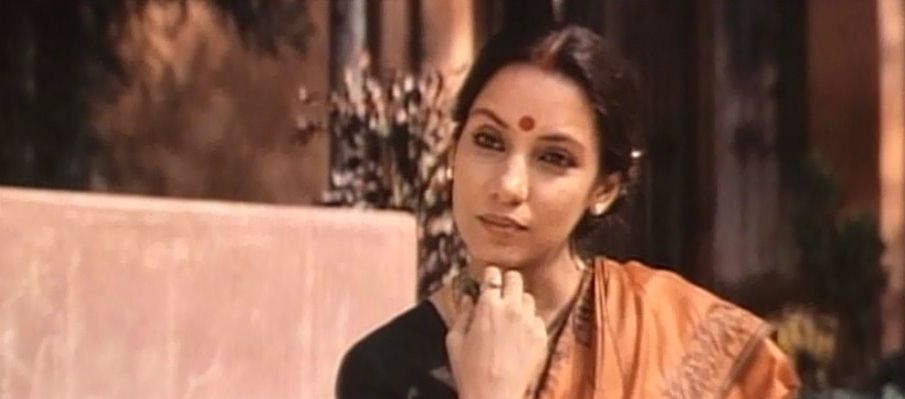
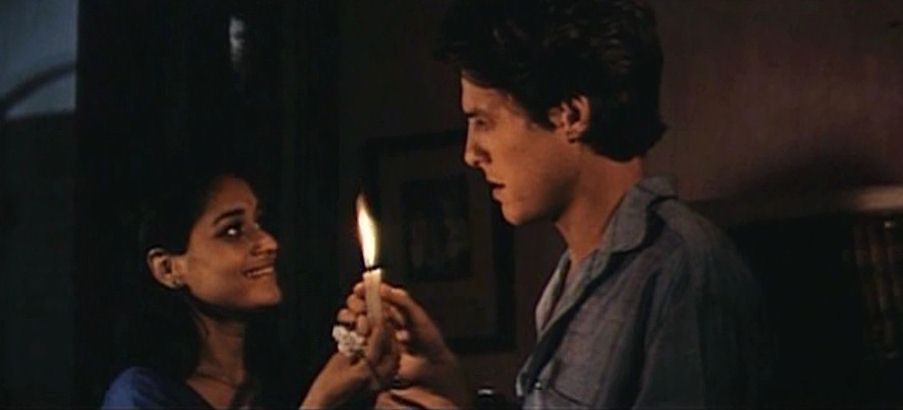
The movie adaptation of Maitreyi starred Hugh Grant and Supriya Pathak and is a listless Jean-Claude Carriere adaptation in which the costuming is the least of its troubles. But it is as uncertain as Hugh Grant’s French accented English in the film, partly because it is never made clear which year the movie is set in. However, the film largely borrows from the novel and leaves intact references to Tagore. For the most part Supriya Pathak wears handloom sarees and blouses common in the 80s. And Alain/Mircea never appears in Indian dress.

Shabana Azmi plays Maitreyi’s mother in the film. While her saris are worn in the Bengali style, the blouses are fairly unremarkable.

Apologies for the pics-my copy has a pretty crap transfer.

Posted in Authors, Cinema, India, Period Drama, Sari Blouse, Vintage | Tagged , , , , , , , | 1 Comment

When Mircea met Maitreyi

ImageImageImageImage

She is without doubt the most gifted and enigmatic of all the girls I have known.  But obviously I cannot marry. What will become of my freedom?

Mircea is twenty-three, I am sixteen. But both of us are a bit too serious for our age.

In 1930, while living in Surendranath Dasgupta’s house in Calcutta, Mircea Eliade fell in love with his daughter, Maitreyi Devi. Subsequently he wrote the thinly disguised roman á clef,  Maitreyi/La Nuit Bengali.  In 1974, Maitreyi Devi wrote her account of his time in her father’s house in Na Hanyate, also a roman á clef.  Both books did not appear in English translation until 1994. Subsequent analysis of the book has been largely of the he said/she said, East/West sort but I won’t go into it here, though I might point you to this review.

La Nuit Bengali/Bengali Nights was made into an English movie of the same name, which was promptly banned in India.

Na Hanyate found its way into Hum Dil De Chuke Sanam though it is uncredited.

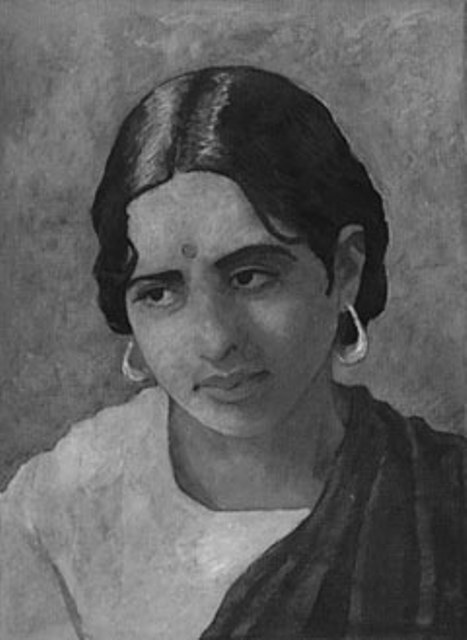
There aren’t very many photographs of the two from the 30s but in the few Mircea Eliade appears in Indian dress. Maitreyi is usually in a simple sari (she was greatly influenced by Rabindranath Tagore) and in one she seems to be in a sleeveless blouse much like the fashions of the 20s/30s.

Posted in Authors, India, Literature, Sari Blouse | Tagged , , , , , , | Leave a comment

The Period Drama Post

ImageImageImageImageImageImageC

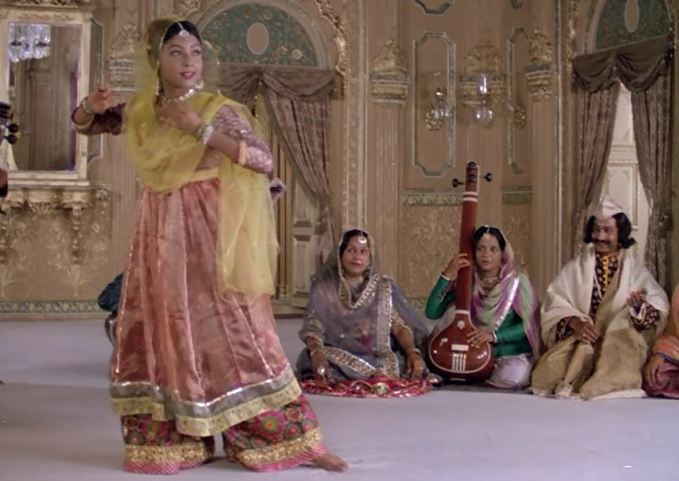
Costumes from Shatranj Ke Khiladi set in the Awadh of 1856/7.  Those seriously wide trousers were apparently all the go at the time.  As was gauzy wraps, paisley prints, shawls. And dance. And hookahs. And…..chess.

Posted in India, Indian Cinema, Period Drama | Tagged , , , , , , | 1 Comment

The Period Drama Post

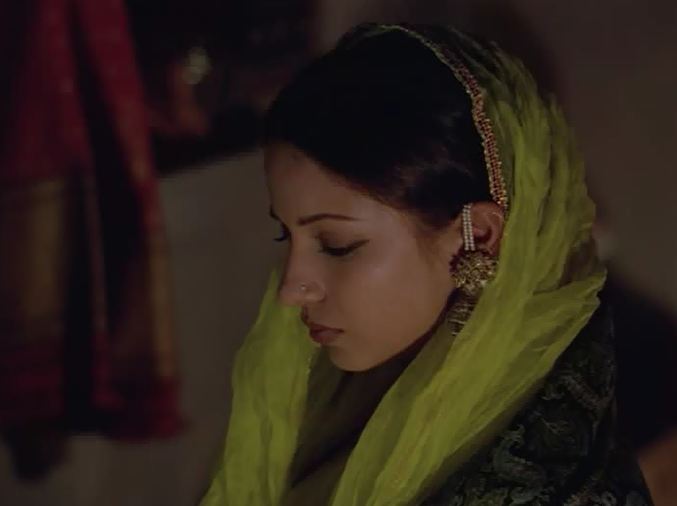
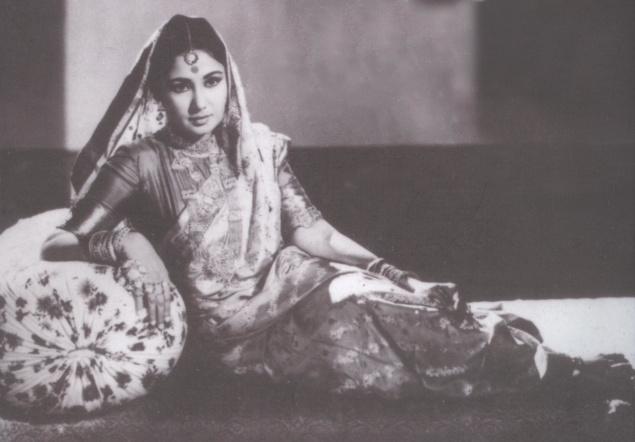
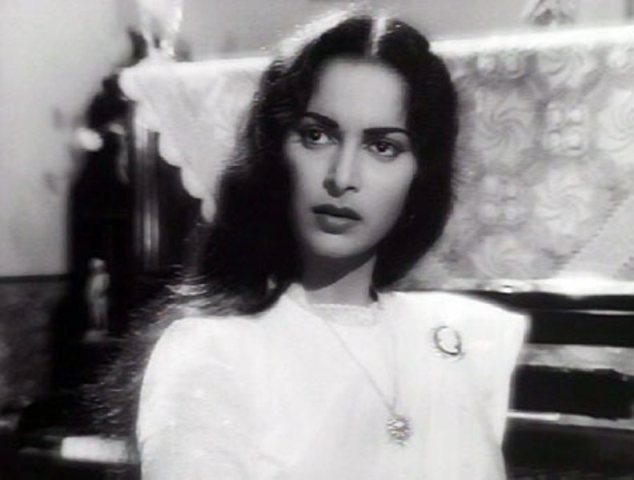
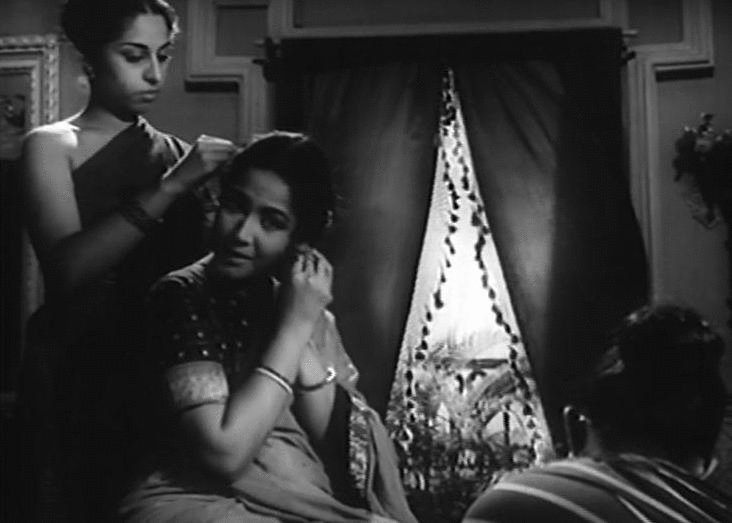
Sahib, Bibi aur Ghulam is set in 19th century Calcutta.  The women who appear in the film belong to different classes.  Of the two main characters Choti Bahu (Meena Kumari) belongs to the feudal, zamindari class who are presumably Orthodox Hindus.  Jaba (Waheeda Rehman) belongs to a Brahmo family, at the time the reforming, modernising part of Bengal society.  The film also has a few song sequences set in the dance houses that the zamindars frequent.  And there are the servants in the zamindari estates, e.g. Choti Bahu’s dresser.

As the pictures indicate the women are differently attired and fairly accurately in keeping with their social status/period. Choti Bahu is in jewels and silks, Jaba’s light coloured simple saris are pinned to lace edged blouses with a brooch. The dance house/kotha sequences use Kathak costume and are presumably of the time. And as the last picture shows, the working women who served in the zamindari houses held on to the old custom of not wearing a blouse.

Posted in India, Period Drama, Sari Blouse, Vintage | Tagged , , , , , , , | Leave a comment

The Period Drama Post

This slideshow requires JavaScript.

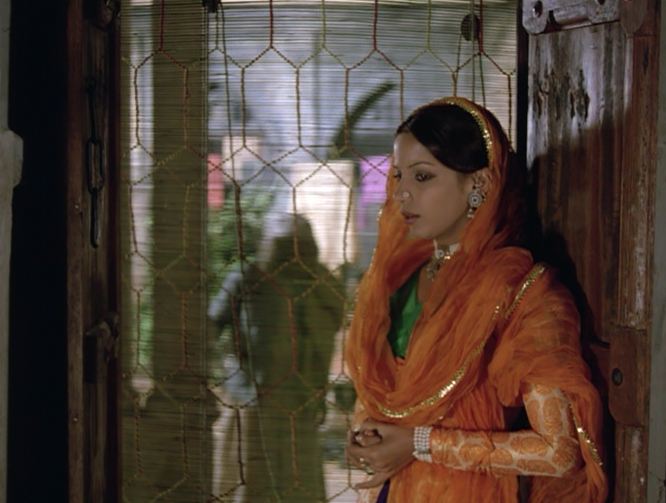
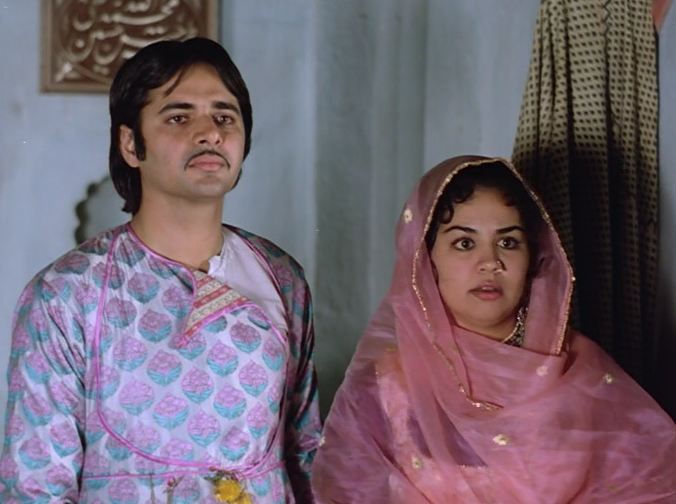
And a bit on Raima Sen, whose attire in these pictures have varying degrees of fidelity to the period they are set in (Chokher Bali: 1903, Naukadubi: 1920s,The Japanese Wife: uncertain) and who must surely hold some kind of record for appearances in period films.

And the absence of a blouse on Aishwarya in Chokher Bali is a correct detail – the blouse was seen as enticing and hence forbidden to a widow.

Posted in India, Period Drama, Sari Blouse, Vintage | Tagged , , , , , , , | Leave a comment

The Period Drama Post

This slideshow requires JavaScript.

There aren’t a whole lot of period dramas in India though they turn up now and then, often in Bengali cinema with Tagore stories being remade often. I am not a stickler for detail in period drama neither do I know the finer points of period detail.  Still its not hard to see that the costumes are rarely meticulously created. Part of the problem is that the handloom weaves we are accustomed to were not always in use.  There was in fact a good deal of imported material in use including chiffons, georgettes, laces and the like in the early part of the 20th century.  The indigenous handlooms and silks tend to be fine and plain with gold borders or stripes. Separate lace pieces for draping over the head were common in the 1900s/1920s.  The way the saree was draped differed. The construction of the blouses looks different from modern day blouses.  Hairstyles were different and sometimes mirrored fashions in the West, especially in the 20s and 30s. A bit of lace on a blouse and a cotton saree therefore does not equal period.

Today’s post is pictures from Gora, that has just started screening on Doordarshan and was written in 1909. I doubt that the purple sari was common though the green sari and blouse looks closer to photographs I have seen.

Posted in 1900s, India, Sari, Sari Blouse, Television, Vintage, Vintage Blouse | Tagged , , , , , , , | Leave a comment

The Studio Portrait

Just to wind up on the India/China theme, Garas aka the Chinese emboridered silk sarees with corodinated somewhat ornate blouses. Plus first pic, the one on the right seems to have a pretty spectacular bird of paradise.  Gara in the second picture is heavily embroidered and offset with a lovely – possibly embroidered – blouse

Posted in Asia, India, Sari Blouse, Vintage | Tagged , , , , , , | Leave a comment